
Why Music Deserves Its Own Place in Hearing Care


At Click Hearing, we've always believed that hearing care isn't one-size-fits-all. Speech understanding matters enormously, and it's where most clinical attention naturally lands.
But for many of our patients, the sound they miss most isn't a voice across the dinner table: it's the opening bars of a favourite song, the swell of an orchestra, or the particular crackle of a vinyl record they've loved for decades.
Music asks something different of our ears, our brains, and our hearts than speech does, and we think it deserves to be treated that way.
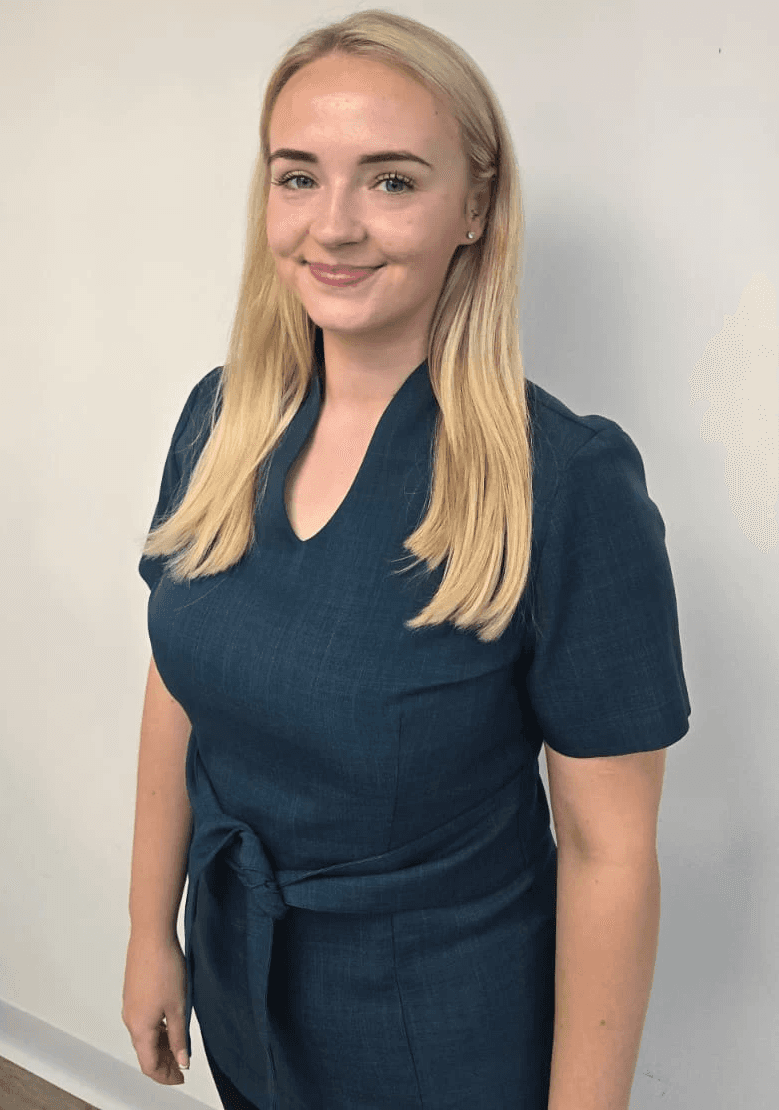
That belief has a name within our practice this year, and it has a face: our own Emily, a grade eight clarinettist, saxophonist, and pianist, who has spent years understanding music from the inside out and now brings that understanding into how our whole team approaches hearing care.
Music Is Its Own Kind of Listening
Standard hearing assessments are built around the audiogram: what frequencies and volumes a person can detect. That's essential information, but it tells only part of the story when it comes to music.
Listening to music draws on rhythm, harmony, dynamics, and emotion in ways speech simply doesn't, and people experience it with more than their ears. Low frequencies are felt as vibration through the body; melodies are anticipated and imagined even before they're heard; rhythm can move us physically before we've consciously registered a single note.
The percussionist Dame Evelyn Glennie, who lost most of her hearing as a child, is often held up as proof of this; she has described sensing pitch and dynamics through vibration in her body, frequently performing barefoot so she can feel the music directly through the floor.
It's a striking reminder that hearing loss changes the way music is experienced, not whether it can be experienced at all. This is exactly the territory Emily wanted our team to understand more deeply.
Emily's Journey Into PROM-T⁵
Music has shaped Emily's whole life, from years of clarinet and saxophone exams to playing piano for her own enjoyment. So, when she encountered Lena Batra's PROM-T⁵® Foundation Course, a training programme built specifically around the relationship between hearing, listening, and music, it struck a chord (we couldn't resist).
The course is designed to help hearing care professionals recognise why music outcomes matter, understand how hearing difficulties intersect with musical engagement, and apply a structured framework for music-focused rehabilitation, recognising when a patient's needs are complex enough to warrant onward referral.
Emily didn't just complete the course for her own development. She came back to Click Hearing and ran with it, cascading what she'd learned into training sessions for the rest of the clinical team, so that an appreciation for music as a distinct listening need isn't confined to one enthusiastic clarinettist, but is now woven into how we all approach patient care.
Where music once might have come up only if a patient mentioned it, our team now actively asks about it, listens for it, and builds it into rehabilitation conversations as a matter of course.
Bringing That Thinking to the Technology We Recommend
This is also why we've been excited about the new Widex Allure AI hearing aids. The platform's underlying philosophy is one of natural sound first: rather than processing every sound the way more aggressive amplification might, it intervenes only when needed and otherwise lets sound stay close to how it would arrive at a healthy ear.
That makes it a strong, versatile option for the great majority of our patients, whatever they spend their listening time on: conversation, television, the outdoors, or anything else.
A few features illustrate that approach:
PureSound Technology, which preserves the natural richness and balance of everyday sound, from the warmth of a familiar voice to the texture of background noise, rather than flattening it into something more processed.
Clarity Boost, which steps in for speech in noisy environments only when needed, without disturbing the naturalness of the sound around it.
Flexible Personalisation, allowing our clinicians to fine-tune settings to each patient's lifestyle and listening priorities, whatever those happen to be.
It's worth saying clearly: Allure AI isn't a "music hearing aid," and we wouldn't want anyone to think it's only worth asking about if they play an instrument or have a packed concert calendar. We recommend it widely because that natural sound quality benefits almost everyone, not just musicians’ hearing.
What we have found, though (and this is where Emily's training has sharpened our thinking), is that musicians and dedicated music listeners notice and value that naturalness particularly strongly, because subtle harmonics, dynamics, and tonal balance matter more to them than to most listeners.
For that group, the structured approach Emily has brought through PROM-T⁵ gives our team an extra layer of insight when fine-tuning settings around specific instruments, vocal ranges, or genres.
What This Means for You
Whatever you spend your listening time on, we'd encourage you to tell us about it at your next appointment: what's changed, what you're missing, and what matters most to you.
And if music is a particular part of your life, whether you play, sing, or simply never miss a chance to put a record on, do say so. Our team, with Emily's training now part of how we all work, is ready to listen for more than just speech.
Hearing is holistic. With the right care and the right technology, we want every patient at Click Hearing to keep feeling, imagining, and living in harmony with the music that matters most to them!
Choose a time that suits you and book directly with our clinical team online. No referral needed, no waiting for callbacks, simply select your preferred clinic, appointment type, and time slot at your convenience.
Whether you're concerned about hearing loss, tinnitus, earwax build-up, or simply want expert advice, our team is here to help with personalised, evidence-led care.

